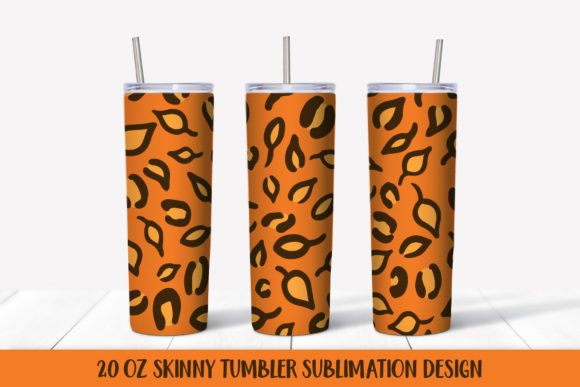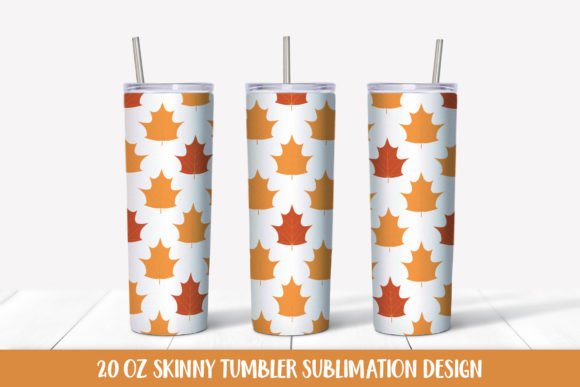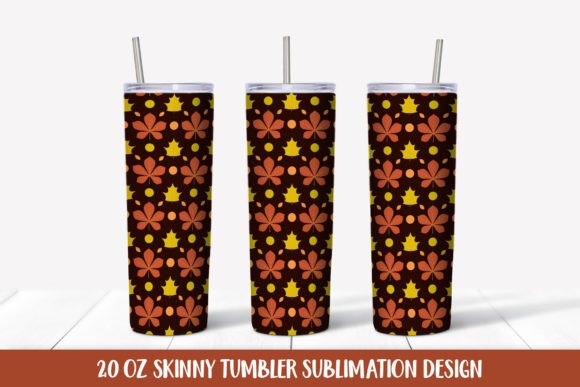
Autumn Leaves Tumbler Wrap Sublimation
First Impression: Warm, Balanced, and Ready for Real Projects
When I opened Autumn Leaves Tumbler Wrap Sublimation, what struck me wasn’t just the seasonal charm—it was how thoughtfully the composition breathes. The rectangular PNG (9.3×8.2) and tapered version (9.25″ top, 8.75″ base) aren’t just scaled shapes—they’re calibrated for flow. As an embroidery designer who’s stitched hundreds of fall-themed pieces, I immediately saw this as more than a tumbler graphic: it’s a versatile illustration with strong translational potential. The leaf cluster feels organic—not stiff or overly symmetrical—and the negative space around stems and veins leaves room for stitch interpretation without crowding. It reads as friendly, not fussy—ideal for handmade products where warmth matters as much as precision.
A Real-World Test: Stitching It on a Linen Tea Towel for a Boutique Gift Set
Last week, I prepped a small batch of embroidered kitchen towels for a local boutique’s holiday launch. I chose Autumn Leaves Tumbler Wrap Sublimation as the centerpiece—not for tumblers, but for its clean silhouette and natural rhythm. I resized the rectangular PNG to fit a 4.5″ hoop, then digitized it as a medium-density fill-stitch design with subtle satin-stitched leaf edges. On medium-weight linen, it held beautifully: no puckering, no thread breakage. Customers responded instantly to the texture contrast—the soft matte fabric against crisp, dimensional stitching. That tells me this design doesn’t just look good in mockups; it translates emotionally in finished product form.
Where It Shines—and Where to Pause
Autumn Leaves Tumbler Wrap Sublimation works especially well for:
- Custom apparel: Sweatshirts, crewnecks, and canvas tote bags—its balanced width avoids awkward stretching across seams.
- Baby embroidery: Gentle curves and open areas mean fewer dense fills, reducing stiffness on onesies or burp cloths.
- Embroidered patches: The tapered version maps cleanly onto curved patch backing, and the leaf groupings hold shape even at 3″–4″ sizes.
- Holiday gifts & nursery decor: Its muted autumn palette (even in grayscale mockups) reads as timeless—not trendy—so it ages gracefully on pillows or wall hangings.
But proceed with care on:
- Stretchy fabrics: Without proper cutaway stabilizer, the tapered shape can distort near the top curve—test first on jersey or rib knit.
- Dark or textured backgrounds: Fine vein details may vanish on heavy terry cloth or black fleece unless you boost stitch density slightly or add underlay.
- Small hoop applications: Below 3.5″, some leaf tips and stem ends lose definition—better suited to 4″+ hoops for clarity.
- Frequent-wash items: While the design itself is durable, avoid placing dense fill areas directly over high-friction zones like tote bag handles unless reinforcing with bobbin work.
Design Integrity Meets Commercial Practicality
As an Etsy seller and embroidery educator, I pay close attention to how a digital embroidery file affects buyer trust—and Autumn Leaves Tumbler Wrap Sublimation earns points there. It doesn’t oversell detail. No tiny lettering, no micro-satins that snag on fabric loops. That restraint makes it reliable across machines and skill levels. When customers see this on a sweatshirt or apron, they recognize craftsmanship—not confusion. It supports brand consistency too: whether you’re selling rustic farmhouse kitchen goods or modern baby essentials, this design adapts without shouting.
And yes—it elevates giftability. A hand-stitched tea towel with this motif feels intentional, not generic. That perception shift—from “cute” to “curated”—directly impacts perceived value and repeat orders.
Practical Designer Notes Before You Stitch
Before committing to your next project, do these five things:
- Test on scrap fabric—especially if using textured weaves or blends. Note how the tapered shape behaves on curved surfaces like cap fronts.
- Check thread color contrast on both light and dark grounds. This design benefits from mid-tone threads (olive, burnt sienna, warm gray) rather than stark black or white.
- Review stitch density in your embroidery software. If digitizing yourself, keep fill angles varied to reduce visible banding on large leaf areas.
- Confirm licensing before selling finished items commercially—or bundling it into digital embroidery kits. Since it’s listed under Illustrations and Graphics, verify usage rights for resale and derivative work.
- Use proper stabilizer: Tear-away for stable cottons, cutaway for knits or lightweight linens. Skip the fusible-only route—this design needs structure to hold its taper true.
Final Thought: A Design That Serves the Maker First
Autumn Leaves Tumbler Wrap Sublimation isn’t flashy—but it’s dependable. In a market saturated with over-digitized, trend-chasing graphics, it stands out by honoring craft logic: smart spacing, thoughtful scale, and quiet visual cohesion. Whether you’re embroidering a single personalized gift or producing 50 boutique aprons, it performs without demanding constant troubleshooting. That’s the hallmark of a truly useful machine embroidery design—not one that wows in preview mode, but one that delivers quietly, consistently, and warmly, stitch after stitch.