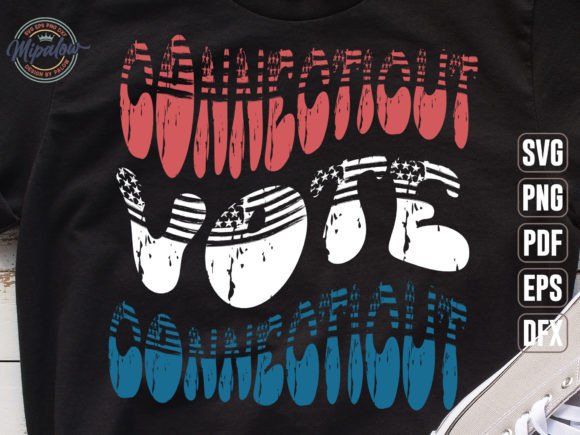
Connecticut Vote State Vintage SVG Subli
A Designer’s First Look: Charm with Quiet Confidence
When I opened Connecticut Vote State Vintage Svg Subli, I wasn’t met with loud graphics or overworked details — just clean, confident vintage Americana. The state outline is instantly recognizable, softened at the edges with subtle decorative flourishes that nod to mid-century signage and campaign posters. It’s not overly ornate, but it’s not minimalist either — there’s warmth in the curves, intention in the spacing, and a gentle rhythm between negative space and line weight. As an embroidery designer who regularly tests files for client work and small-batch production, my first thought was: This feels like it’ll stitch cleanly — if treated right.
Where It Shines: Real Projects, Real Impact
I tested Connecticut Vote State Vintage Svg Subli on a natural linen tote bag for a local boutique’s summer collection. The result? A quiet statement piece — not flashy, but deeply resonant. Customers paused at the display table, ran fingers over the stitches, and asked where it was made. That’s the power of thoughtful design: it invites connection, not just recognition.
It works especially well for:
- Custom apparel — think lightweight sweatshirts or unisex tees where subtlety reads as sophistication;
- Embroidered patches — the clean silhouette holds up beautifully when cut and backed;
- Baby embroidery — on organic cotton onesies or burp cloths, it reads as heirloom-style, not political;
- Holiday or wedding gifts — paired with “Est. 2024” or a monogram, it becomes a meaningful keepsake;
- Small shop product — it adds regional authenticity without leaning into cliché.
As a craft business owner, I appreciate how this machine embroidery design supports brand consistency. It’s versatile enough for Etsy listings, craft fair banners, and printable mockups — all while keeping the handmade product feeling intentional, not mass-produced.
Where to Proceed With Care
Vintage styling doesn’t always translate seamlessly to dense stitching — and Connecticut Vote State Vintage Svg Subli is no exception. Its charm lies in its balance, so here’s where attention matters:
- Small hoop sizes: The full outline fits comfortably in a 4x4 hoop, but tight corners (like the southeastern tip) may need slight digitizing tweaks for crispness on very small runs;
- Textured fabrics: On heavy canvas or looped terry cloth, use medium-cutaway stabilizer — the design’s open areas can shift if under-supported;
- Thin or stretchy fabric: Avoid using it raw on jersey or rayon blends; pre-stabilize thoroughly or consider it for woven items only;
- Dark fabric: The fine interior lines read best with high-contrast thread (e.g., cream on navy), not low-contrast tones like charcoal on black;
- Curved surfaces: On caps or curved pillow covers, test placement first — the bottom edge flows nicely, but the top curve may require minor repositioning to avoid distortion.
What It Adds — and What It Doesn’t Promise
This isn’t a flashy, high-density fill-stitch showstopper — and that’s its strength. Connecticut Vote State Vintage Svg Subli leans into satin stitch definition and clean running-stitch outlines, which means faster stitch times, less thread waste, and better breathability on wearable items. That directly supports customer trust: when someone buys a handmade product with this design, they’re getting clarity, not clutter.
It elevates giftability by feeling personal without being overly specific — ideal for Connecticut-born grandparents, transplants celebrating their new home, or educators building classroom pride. And for Etsy sellers? It’s a smart addition to a “State Pride” bundle — cohesive, licensable (verify terms before resale), and distinct from generic clipart.
Practical Notes Every Embroidery Designer Should Run Through
Before sending Connecticut Vote State Vintage Svg Subli to your machine or listing it in a digital embroidery file shop:
- Test on scrap fabric — especially if using textured or dark material;
- Check thread color contrast in both daylight and indoor lighting;
- Review stitch density: it’s moderate, but confirm it aligns with your machine’s optimal range;
- Verify hoop size compatibility — don’t assume it fits your smallest hoop without checking;
- Inspect small details at 200% zoom: look for stray nodes or overlapping paths that could cause jump stitches;
- Run black-and-white mockups: does the shape hold up when stripped of color context?
- Compare light vs. dark backgrounds — what thread palette maximizes legibility?
- Use proper stabilizer: tear-away for stable wovens, cut-away for knits or delicate linens;
- Confirm licensing: since this is a digital embroidery file, double-check whether commercial use is permitted for finished products or resale of derivative designs;
- Ask yourself: does this support the story I want my brand to tell? For many crafters, yes — quietly, authentically, and with care.
Final Thought: A Design That Listens
Connecticut Vote State Vintage Svg Subli doesn’t shout. It observes. It fits naturally into a kitchen towel folded beside a farmhouse sink, a baby blanket draped over a rocker, a tote bag slung over a farmer’s market basket. As a designer who evaluates hundreds of graphics a year for real-world embroidery use, I value files that respect fabric, thread, time, and intention — and this one does.
It’s not just a Crafts asset. It’s a small, steady voice in the handmade economy — saying, “I belong here,” without needing to explain why.